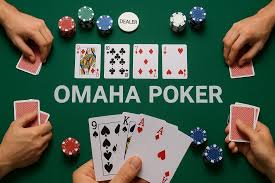
ruffstartnewbeginnings.com– Omaha feels familiar until you realize the “same board” can mean completely different outcomes depending on the format. One extra hole card, a split pot, or a change in betting limits doesn’t just add spice—it changes what counts as a strong hand, what people chase, and why showdowns get misread.
This is why learning Variant Omaha poker rules isn’t optional. It’s the difference between playing the game and playing a look-alike.
The non-negotiable backbone of Omaha
Before variants, lock in the core idea most versions share:
-
The game uses five community cards (flop, turn, river).
-
Players start with multiple hole cards (usually four, sometimes more).
-
In standard Omaha, you build your final hand using exactly two hole cards and exactly three community cards.
That “exactly two” rule causes more mistakes than anything else—especially for players coming from Omaha poker rules .
Betting structure variants: same cards, different pressure
A lot of “variants” aren’t about the deck at all—they’re about how big bets can get.
Pot-Limit Omaha (PLO)
PLO is the most common modern format. Players receive four hole cards, but the betting is capped by the size of the pot. This tends to create big multi-way pots and heavy draw situations because so many hands can connect.
Fixed-Limit Omaha
Same dealing, but bet sizes are fixed in increments. This format keeps more players in hands longer and makes “thin edges” matter because you can’t just bet huge to push people out.
No-Limit Omaha
Less common in many casual circles because it can become swingy fast. If your group plays it, agree on minimum raises and re-raise rules before the first hand—this is where arguments begin.
Split-pot Omaha: when one hand can win only half
Omaha Hi-Lo (Omaha/8)
This format splits the pot between the best high hand and the best qualifying low hand (typically “8 or better,” using Ace-to-Five low rules). The twist isn’t just “two winners”—it’s that hands that look strong for high can be mediocre when a low is available.
The clean mental model:
-
High hand plays normal rankings.
-
Low hand is the lowest five-card hand with no pairs and all cards 8 or lower (A is low).
In Hi-Lo, “winning half” is common. “Winning both” (scooping) is the dream.
Hole-card variants: more cards, more collisions
5-Card Omaha (often called Big O)
Each player gets five hole cards instead of four, still using exactly two hole cards at showdown. More hole cards means more combinations, so stronger hands appear more often—and second-best hands get punished more often too.
6-Card Omaha
Same logic: six hole cards, still exactly two used. This version can feel chaotic because almost everyone has “something,” which makes careful hand selection and board reading even more important.
Information-order variants: the game shows its hand earlier
Courchevel
Courchevel changes the deal order by revealing one community card immediately before the first betting round (players typically have five hole cards). That early board card shapes pre-flop decisions dramatically—people commit earlier because they have a clearer picture of what the board might become.
If your group plays Courchevel, confirm two things:
-
hole-card count (usually five)
-
whether it’s high-only or hi-lo
Board variants: two runouts, two results
Some groups play versions that reduce “single-river heartbreak” by using multiple boards.
Double-Board Omaha
Two separate boards are dealt (often from flop through river), and the pot is split between the boards. You still must make a legal Omaha hand on each board (exactly two from hand, exactly three from that board).
This variant rewards hands that can connect in multiple ways—not just one perfect runout.
The one rule people break (and how to stop it)
Across formats, the most common mistake is building a hand the Hold’em way.
A beginner-proof method at showdown:
-
Point to the two hole cards you’re using.
-
Point to the three board cards you’re using.
-
Read the five-card hand out loud.
Do this for every showdown early on. You’ll eliminate 90% of confusion in five minutes.
Quick checklist before you start any Omaha variant
Keep it short and practical—these are the five agreements that prevent chaos:
-
High-only or Hi-Lo (and the low qualifier, if any)
-
Hole-card count (4, 5, or 6)
-
Betting structure (pot-limit, fixed-limit, no-limit)
-
Any rule-order quirks (Courchevel’s early card, double-board runouts)
-
Showdown procedure (two-from-hand rule enforced clearly)
If you want a stable baseline reference, write these down as your table’s Omaha poker rules before the first deal.
One small “home game” insight that saves headaches
At small tables (4–6 players), Omaha variants feel “friendlier” because you see more flops and learn faster. That’s also where people overplay hands because “I have so many cards.” The calm correction is simple: more hole cards also means more ways for opponents to make the nuts, so discipline matters more, not less.
Most Omaha formats share the same skeleton, but the details decide everything: betting limits, split pots, hole-card count, and the order information hits the table. If you lock those details in upfront, Variant Omaha poker rules become easy to navigate—and every showdown becomes cleaner, fairer, and a lot more fun to read.